|
|
|||||||||||||||||||||||||||||||||
 |
|||||||||||||||||||||||||||||||||
|
|||||||||||||||||||||||||||||||||
Thank you...for receiving the latest Archival Methods Newsletter. We hope you find the information useful. Please use the coupon below on your next order.
|
How to: Document and Label your Photos:Documenting your personal photographs is an important step in preserving your family's history. Once you have sorted through your picture archive, the next step is to label the photographs with pertinent information, such as names, dates and settings, to keep track of your cherished memories. However, you can't use just any old label or stylus on your photographs. Adhesives that are either water activated or pressure sensitive might damage your photographic prints. These adhesive labels also add unwanted thickness to your photographs, eventually leaving a visible impression. Fortunately, there are several other labeling options that will not only help organize but also protect your valuable archive images. High marks
Professional archivists also recommend using a soft No. 2 pencil on the back of photographic prints that are fiber based. Using Stabilo-All Pencils on polyethylene surfaces and film negatives is a stress-free way to mark your photographs without worrying about ink potentially transferring. However, pencils cannot be used on prints that are coated in resin. When marking up the backs of your photographs, make sure you are doing so on a firm surface. It is also recommended that you write toward the edges of the photographs, rather than in the center.
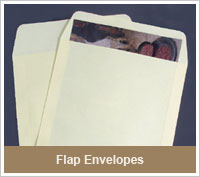
The envelope, please Digital revolution There are also numerous online platforms, such as Flickr and Photobucket, that allow you to access your picture archive at your convenience - all you need is a password and Wi-Fi. Brafton written article for www.archivalmethods.com 10/21/2013
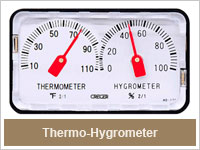
Q&A:Question: What is a Thermo-Hygrometer? Answer: It is a device that will monitor the temperature and humidity within display cases, storage shelves/cabinets and boxes. Temperature changes affect objects quickly—often in a matter of hours. The enclosure or box they object is stored in doesn’t matter much when rapid changes occur in temperature and humidity. It is true that enclosures offer physical protection, but they do not necessarily protect the items inside from the dangers of changes in temperature surrounding the collection. As far as humidity within the storage area changing from high or very low over a long period of time (a season or longer) becomes more problematic for preservation of artwork than short term fluctuations. It is recommended to monitor the humidity levels on a regular basis and noting any significant changes over 3-4 month intervals.
The Thermo-Hygrometer is quite small in size. It measures just 1-1/16” x 1-7/8” x 9/16”. The Temperature reading (Fahrenheit measurement) has an accuracy ± 1.8 F and the Relative Humidity (RH) measurement accuracy of ± 5%. A battery is not needed since it is a mechanical design that used a Bi-metallic method for high accuracy making recalibration possible. If you have any questions, please feel free to e-mail them to [email protected] or visit us on Twitter, FaceBook or LinkedIn. |
||||||||||||||||||||||||||||||||
| View email in browser | Unsubscribe | Forward to a friend | Update your profile Copyright © 2012 Archival Methods • All rights reserved. Archival Methods, 230-2 Middle Road Henrietta, NY 14467 |
|||||||||||||||||||||||||||||||||
 RSS
RSS Translate





 PHONE: 866-877-7050
 Forward to a Friend