Updated: September 15, 2025
There are several words that you should know and understand when you are looking for safe, long-term, archival storage and presentation supplies. Acid-free is the most common of these terms. Let’s take a look at what it means in terms of storage.
Acids and Lignins
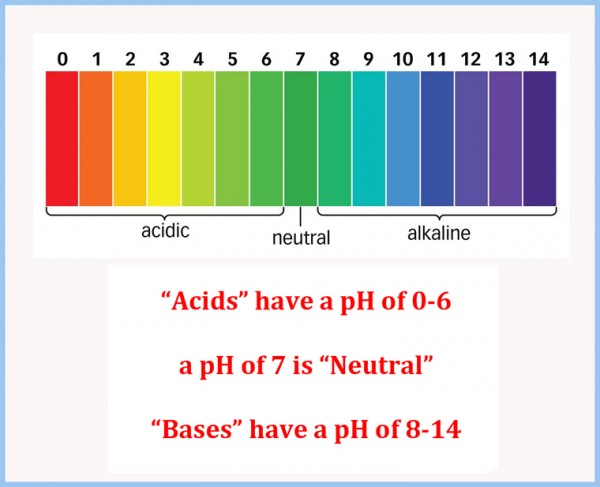
The acid and lignin content in paper is the best indicator of its life expectancy. Acid-free means that the paper’s pH is 7.0 (neutral) or higher (alkaline). Acid-free, lignin-free papers can last hundreds of years in ideal storage conditions. Lignin is an integral component of plants and it is often present in the wood pulp used to make paper. The yellowing and brittleness of old papers, newsprint, and old books is due to lignin and other residual acids activated by light, humidity, and temperature in a process that often ends up destroying the paper itself. Lignin-free paper is made with less than 1% lignin content. Acid-free doesn’t always mean lignin-free, so any archival-quality product you choose should specify both.
Perhaps the best example of the destructive results of acids and lignins is seen in old newsprint and the paper used for many old books from the late-1800s and early-1900s, much of which is now yellowed and very brittle.

In addition to separating from the larger page this fragment was originally a part of, when slightly bent this brittle, acid-burned page cracked and fell apart, as its structural integrity had been compromised by the high acid content of the paper.

There is not much that can be done to mitigate this level of acid damage, other than consulting a professional conservator.


What you can do, however, is store your important family documents, collectibles, and artworks in acid-free boxes, mats, folders, envelopes, and interleave them with archival tissues or papers Check out this blog post for more in-depth info on How to Store Old Letters and Documents.


All the museum-quality archival mat boards, boxes, and enclosures offered by Archival Methods are manufactured from acid-free materials.
In order to maintain a safe, long-term archival environment, and to minimize any chance of “acid-migration” from your artworks or artifacts, most of our acid-free materials are “buffered” with 2-3% calcium carbonate. All of our boxes, binders, portfolios, and mat boards are buffered.
This calcium carbonate “buffering” provides our museum-quality storage and presentation materials with an archivally-safe pH of 9 (±0.5), which will help neutralize any acids that might migrate from your artifacts or artworks.
While buffered mat boards, boxes, envelopes, and interleaving tissues are commonly recommended for most archival storage and presentation needs, there are exceptions – especially for certain fabrics and photographic processes.

When storing plant-based fabrics or artifacts (such as cotton), either buffered or unbuffered Archival Tissue can be used.
When storing protein-based fabrics or artifacts (such as silk, wool, and leather), one should use unbuffered Archival Tissue, as these fabrics should not be stored in direct contact with standard 2-3% calcium carbonate buffering agents.

As mentioned, certain photographic processes – such as cyanotypes (blue prints) & dye-transfer prints – are best stored with unbuffered interleaving. Our Glassine Interleaving and Unbuffered Archival Thin Paper are both unbuffered options.
Cyanotypes (see photo below) and dye-transfer prints can also be placed in archival Polyethylene Bags, 3-Sided Sleeves or Side Loading Print Sleeves before they are stored in buffered acid-free enclosures and boxes.

Now you’ll know just what it means when you see these terms in the descriptions of any of Archival Methods’ thoroughly tested, museum-quality, guaranteed products.
You can rest assured that your important artwork, photographs, collectibles, papers, fabrics and artifacts from the family archive are safely protected for generations to come in their archival, acid-free, lignin-free enclosures, boxes and mats.
Contact Us
If you have any questions about archival storage, please contact us here at Archival Methods. We’re always happy to help.
